I was digging through old screenshots on my phone when I found one from the week the British Army cancelled its Fortnite livestream. I remember the announcement, the backlash, and then the quiet retreat. As a player who has spent years in Fortnite Creative, that episode stuck with me — not because it was the first time a military tried to reach gamers, but because it showed how quickly a game space can turn into a debate about recruitment, childhood, and authenticity. Looking back from 2026, the cancelled stream is still a useful case study for anyone who cares about who gets to speak inside our games.
The plan was simple enough on paper: the British Army would host a Fortnite livestream series, using a custom Creative map built for influencers to play and stream to their audiences. The announcement landed badly. Critics pointed out that Fortnite has a huge child playerbase, and some feared the map was a soft recruitment tool. The original tweet was taken down, and some critical replies — including one that linked to a Wikipedia page on Bloody Sunday (1971) — were hidden. That detail mattered. It turned a marketing misstep into a conversation about memory, trust, and who the Army thought it was talking to.
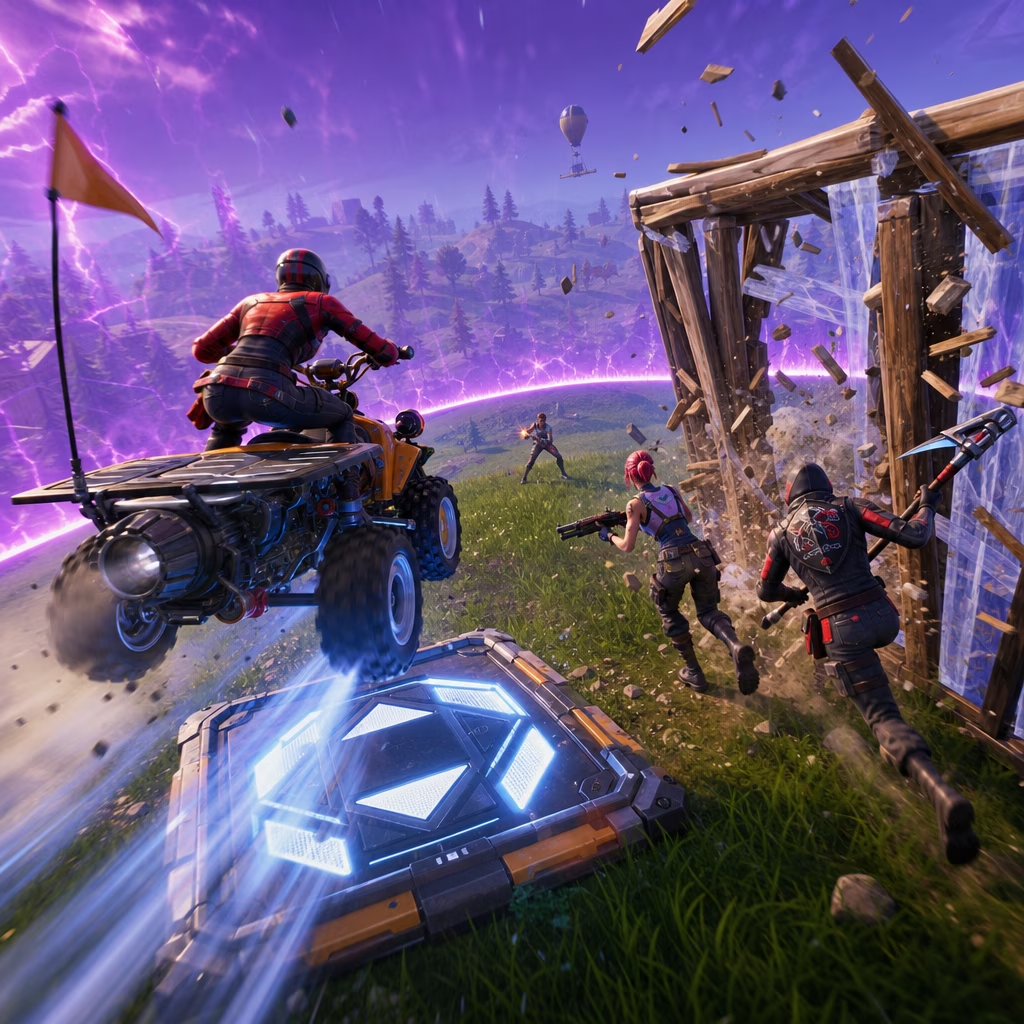
Then came the statement. The Ministry of Defence’s press office told TheGamer that the event would no longer go ahead: 'Having taken all feedback into consideration, and in consultation with our talent partners, we regret to announce that the Fortnite livestream series will no longer be going ahead.' The Army also insisted the campaign was 'not intended for children', that the social posts were meant only to promote the livestreams, and that the map was built for influencers to play and stream live to their audiences. The team said it would have taken measures to ensure age-appropriate audiences, including working with influencers who reportedly had a majority 18–24 audience, putting an 18+ age requirement on the stream, and relying on Fortnite’s own parental controls for anyone who played the map.
That explanation did not answer every question. The Army did not respond to claims that using Fortnite went against Epic Games’ terms and conditions, which forbid the game from being used to 'promote enrollment in the military'. When TheGamer reached out to Epic, the company said the map intended for the event was still 'undergoing moderation'. Epic did not comment on the cancellation. As a player, I found that silence telling. Games are not neutral billboards; they are social spaces with rules, moderators, and communities that notice when someone tries to bend the frame.
I spent that week reading replies from other players. Some shrugged and said it was just marketing. Others were angrier, especially those who remembered the hidden replies and the Bloody Sunday reference. For them, the problem was not only that a military was inside a child-friendly game — it was that the Army seemed to want the reach of gaming culture without the scrutiny that comes with it. The statement’s line that 'the gaming community is an important audience which we want to reach authentically' sounded reasonable, but authenticity is hard to claim when your announcement hides criticism and your map needs moderation before it is even shown.
Here is how I break down the whole affair:
| Element | What happened | Why players cared |
|---|---|---|
| The event | A Fortnite livestream series with a custom Creative map | It looked like military marketing inside a game full of kids |
| The response | The Army cancelled the stream and said it had considered feedback | Players wanted accountability, not just a withdrawal |
| The age question | 18+ stream requirement and influencer audiences were cited | Parental controls and audience claims felt like afterthoughts |
| The rules question | Epic’s terms forbid promoting military enrollment | The map was still 'undergoing moderation' when the event was cancelled |
| The memory question | Critical replies were hidden, including a Bloody Sunday reference | It made the campaign feel less like outreach and more like image control |
What I take from it in 2026 is that the gaming community is not a passive audience. We are players, but we are also readers, critics, and moderators of our own spaces. The British Army said it wanted to reach us authentically; the cancellation showed that authenticity cannot be engineered through influencer deals and age gates alone. It has to survive the replies, the history, and the terms of service. The US Army has tried similar outreach in the past, and I expect more attempts will come. But the Fortnite cancellation remains a warning: if you enter a game space, you have to play by its rules — and its community will decide whether you belong there. 🎮